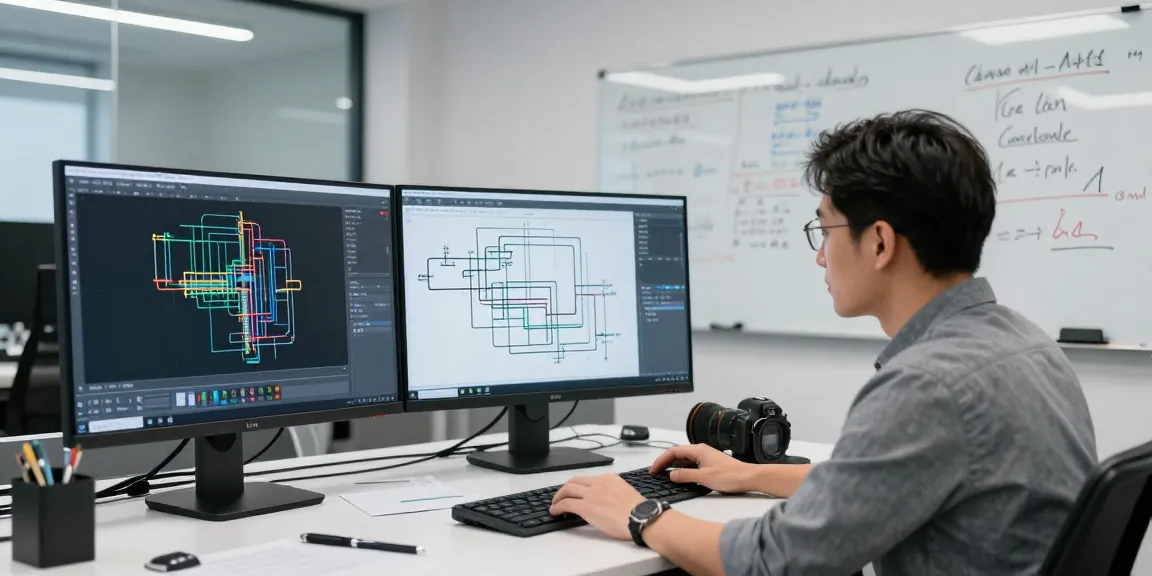
Understanding Piping Stress Analysis in Canada
Piping stress analysis is a critical aspect of engineering that ensures the safety, reliability, and efficiency of piping systems in various industries. In Canada, where diverse sectors such as oil and gas, nuclear energy, and food processing are prevalent, the need for expert analysis has never been more important. The analysis not only addresses the mechanical behavior of pipes under different conditions but also aligns with stringent regulations and standards that govern engineering practices. When exploring options, Piping Stress Analysis Canada offers comprehensive insights into the best practices and services available.
What is Piping Stress Analysis?
Piping stress analysis is a systematic approach used to assess the ability of a piping system to withstand internal and external forces without failure. This process evaluates the effects of thermal expansion, pressure, weight, and environmental factors on pipe integrity. By leveraging models that simulate real-world conditions, engineers can identify potential points of failure, ensuring compliance with regulations and safety standards. The analysis typically includes several factors such as:
- Thermal expansion and contraction
- Vibration due to equipment operation
- Seismic activity and wind loads
- Pressure surges and static loads
- Support and restraint requirements
Why is Piping Stress Analysis Crucial for Engineering Projects?
In engineering projects, particularly those involving complex piping systems, stress analysis is essential for several reasons:
- Safety: Ensures the structural integrity of piping systems, minimizing the risk of leaks or catastrophic failures that could endanger lives and the environment.
- Regulatory Compliance: Helps maintain compliance with local and international codes, such as the ASME B31 series in Canada.
- Cost-Effectiveness: Early detection of potential issues can save significant costs associated with repairs, downtime, and litigation.
- Efficiency: Optimizing support and layout reduces the overall material and labor costs, improving project timelines.
Key Industry Standards for Piping Stress Analysis in Canada
In Canada, several standards dictate the requirements for piping stress analysis. Familiarity with these standards is crucial for engineers to ensure compliance and maintain safety. Key standards include:
- ASME B31.1: Covers power piping and addresses the design, materials, fabrication, inspection, and testing of pipe systems in power plants.
- ASME B31.3: Focuses on process piping and provides guidelines specific to the chemical and petroleum industries.
- CSA Z662: This standard pertains to oil and gas pipeline systems and includes requirements for pressure testing and environmental considerations.
Common Challenges in Piping Stress Analysis
Despite its importance, piping stress analysis presents several challenges that engineers must navigate to ensure accurate results and project success. The complexity of piping systems often leads to complications that require careful consideration and expertise.
What are the Most Frequent Issues Faced in Piping Systems?
Common issues in piping systems include:
- Thermal Expansion: Incorrect provision for thermal expansion can lead to excessive stress and potential failure.
- Vibration: Undetected vibrations can cause fatigue, leading to cracks and leaks over time.
- Improper Support Design: Poorly designed supports can lead to sagging or misalignment, increasing stress on joints and connections.
- Corrosion: Over time, corrosion can weaken pipes, making them susceptible to failure, especially in harsh environments.
How to Approach Complications in Stress Analysis?
Addressing complications in piping stress analysis requires a systematic approach:
- Thorough Initial Assessment: Conduct a comprehensive review of the piping system design and intended operating conditions.
- Use of Advanced Software: Utilize industry-standard software like CAESAR II or AutoPIPE for accurate modeling and analysis.
- Regular Inspections: Implement routine inspections to detect signs of wear or failure early.
- Collaboration: Engage with experienced professionals who can provide insights based on their expertise.
Real-World Examples of Piping Stress Problems
Understanding real-world applications can illuminate the importance of effective piping stress analysis:
- Oil and Gas Industry: A notable incident involved a pipeline rupture due to inadequate stress analysis, leading to environmental damage and hefty cleanup costs.
- Power Generation: In a power plant, failure to account for thermal expansion in piping systems resulted in significant downtime and repair expenditures.
- Food Processing: A large-scale facility experienced operational disruptions when vibrations led to a critical pipeline failure, showcasing the need for rigorous stress assessments.
Best Practices for Selecting an Engineering Consultancy
Selecting the right engineering consultancy for piping stress analysis is crucial for the success of your projects. With multiple firms claiming to offer expertise, distinguishing the right choice can be daunting.
What Qualifications Should You Look for in a Consultancy?
When evaluating potential consultancies, consider the following qualifications:
- Licensure: Ensure the firm employs licensed Professional Engineers (P.Eng.) certified in Canada and PE in the USA.
- Experience: Look for firms with a proven track record in projects similar to yours.
- Technical Expertise: Assess their familiarity with industry-specific standards and software.
- Innovative Approaches: Evaluate their use of advanced technologies like 3D modeling and simulation tools to enhance analysis accuracy.
How to Evaluate the Experience of Engineering Professionals?
Understanding the breadth of experience among engineering professionals can inform your decision:
- Project Portfolio: Review completed projects that highlight relevant experience in piping stress analysis.
- Client References: Request references to gauge client satisfaction and project outcomes.
- Industry Involvement: Check if the consultancy is engaged in industry associations to stay updated on best practices and standards.
Why is Communication Important in Consultancy Services?
Effective communication is vital in consultancy services. A successful partnership with your engineering consultancy relies on clear, ongoing dialogue. This ensures:
- Alignment of Objectives: Both parties have a mutual understanding of project goals and deliverables.
- Responsive Support: Quick reactions to issues and changes can prevent project delays.
- Shared Knowledge: Collaborative problem-solving enhances project outcomes.
Future Trends in Piping Stress Analysis for 2026
As we look to the future, the field of piping stress analysis is expected to evolve significantly. Emerging technologies and practices will reshape how analyses are conducted, enhancing efficiency and accuracy.
What Innovations are Impacting the Field?
Innovations anticipated to impact piping stress analysis in the coming years include:
- Artificial Intelligence: AI-powered analytics could allow for predictive maintenance and smart design adjustments.
- Cloud Computing: Enhanced collaboration and data sharing among teams through cloud platforms will streamline project workflows.
- Advanced Simulation Techniques: The use of augmented reality (AR) for real-time visualization can help engineers better assess piping conditions.
How Will Evolving Regulations Affect Piping Stress Analysis?
As regulations continue to tighten globally, engineers will face increased pressure to adhere to more stringent compliance measures. This trend underscores the importance of:
- Staying informed on legislative changes that could influence design standards and operational protocols.
- Investing in training for engineering teams to maintain compliance.
- Engaging with professionals who specialize in regulatory affairs to navigate complex requirements effectively.
The Role of Technology in Enhancing Analysis Accuracy
Increased reliance on technology will shape the future of piping stress analysis. Technology will open new avenues for:
- Automation: Automating repetitive tasks will free engineers to focus on more complex issues.
- Data Analytics: Enhanced data analytics can help identify trends and potential issues before they escalate.
- Improved Modeling Software: Software advancements will facilitate more accurate simulations and analyses.
Conclusion: Making Informed Choices
In conclusion, understanding the complexities surrounding piping stress analysis is essential for ensuring the integrity and reliability of piping systems in various industries. By selecting an adept engineering consultancy, you can navigate these complexities with confidence.
How to Assess Your Project’s Needs for Piping Stress Analysis?
Begin by evaluating your project’s specifications, including:
- Project scale and complexity
- Regulatory requirements specific to your industry
- Potential risks associated with piping operations
What Resources Can Aid in Your Decision-Making Process?
Utilize available resources to inform your choices:
- Online forums and industry publications for trends and challenges in piping stress analysis.
- Webinars and workshops that cover recent advancements in engineering practices.
- Consulting case studies and reports from reputable engineering firms.
Key Takeaways for Selecting the Right Consultancy
Ultimately, selecting the right consultancy for piping stress analysis involves careful consideration of qualifications, communication practices, and industry experience. By taking a holistic approach and prioritizing safety, compliance, and efficiency, you can significantly improve the success rate of your engineering projects.